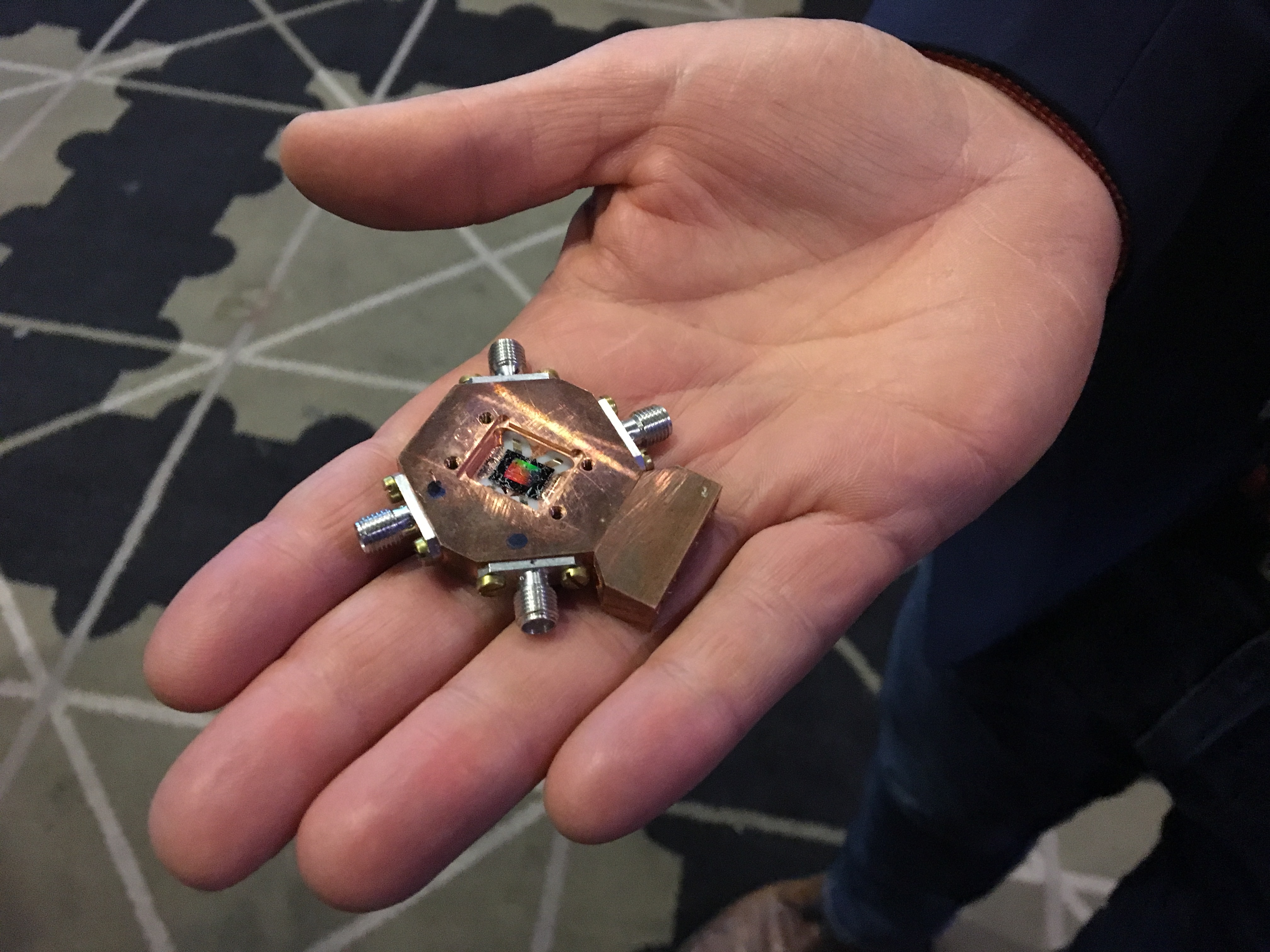
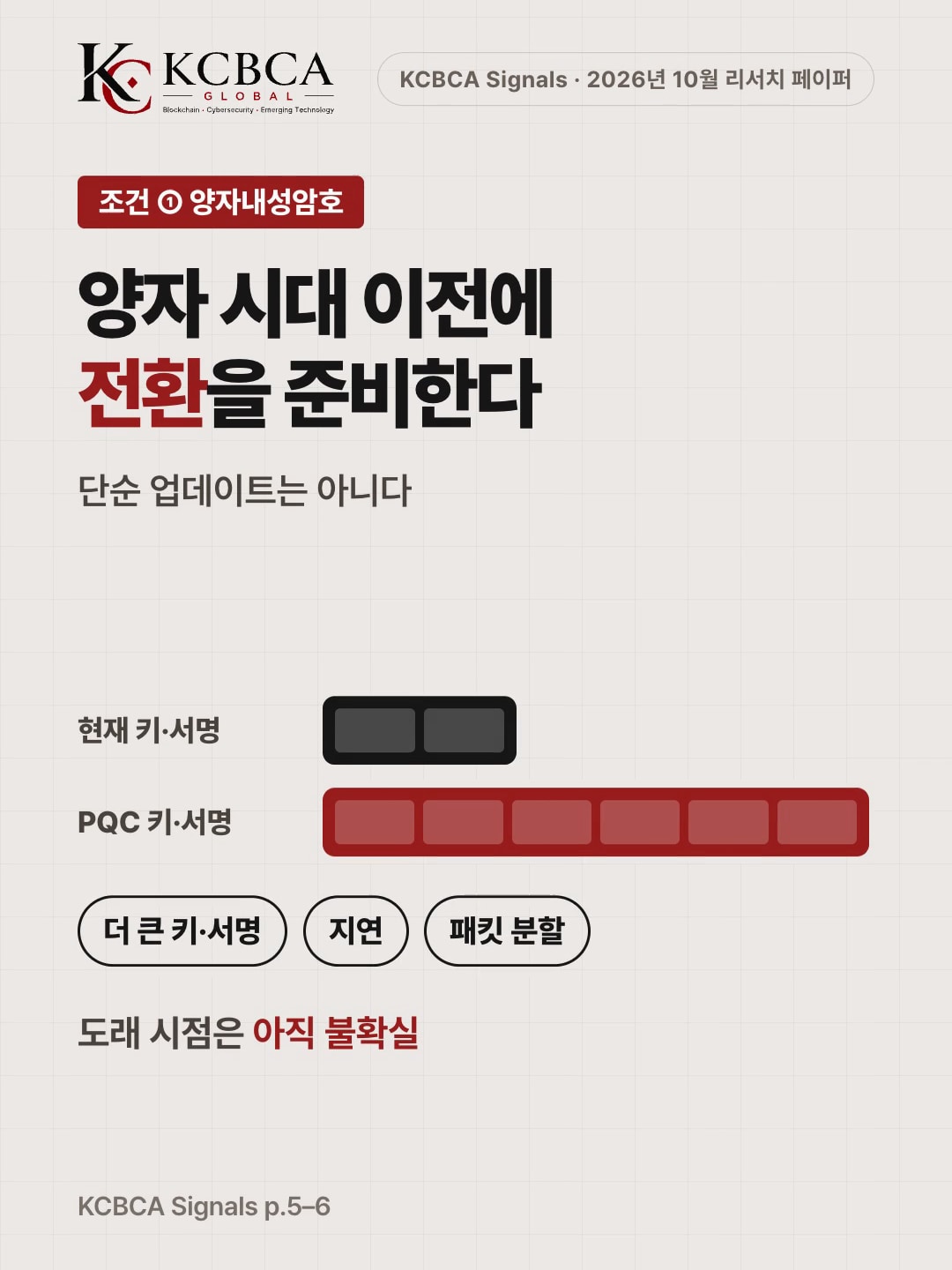
A Bitcoin “quantum landmine” proposal would put an attacker’s own BTC at risk. Owners would need proof of ownership prepared in advance; adoption is unconfirmed.
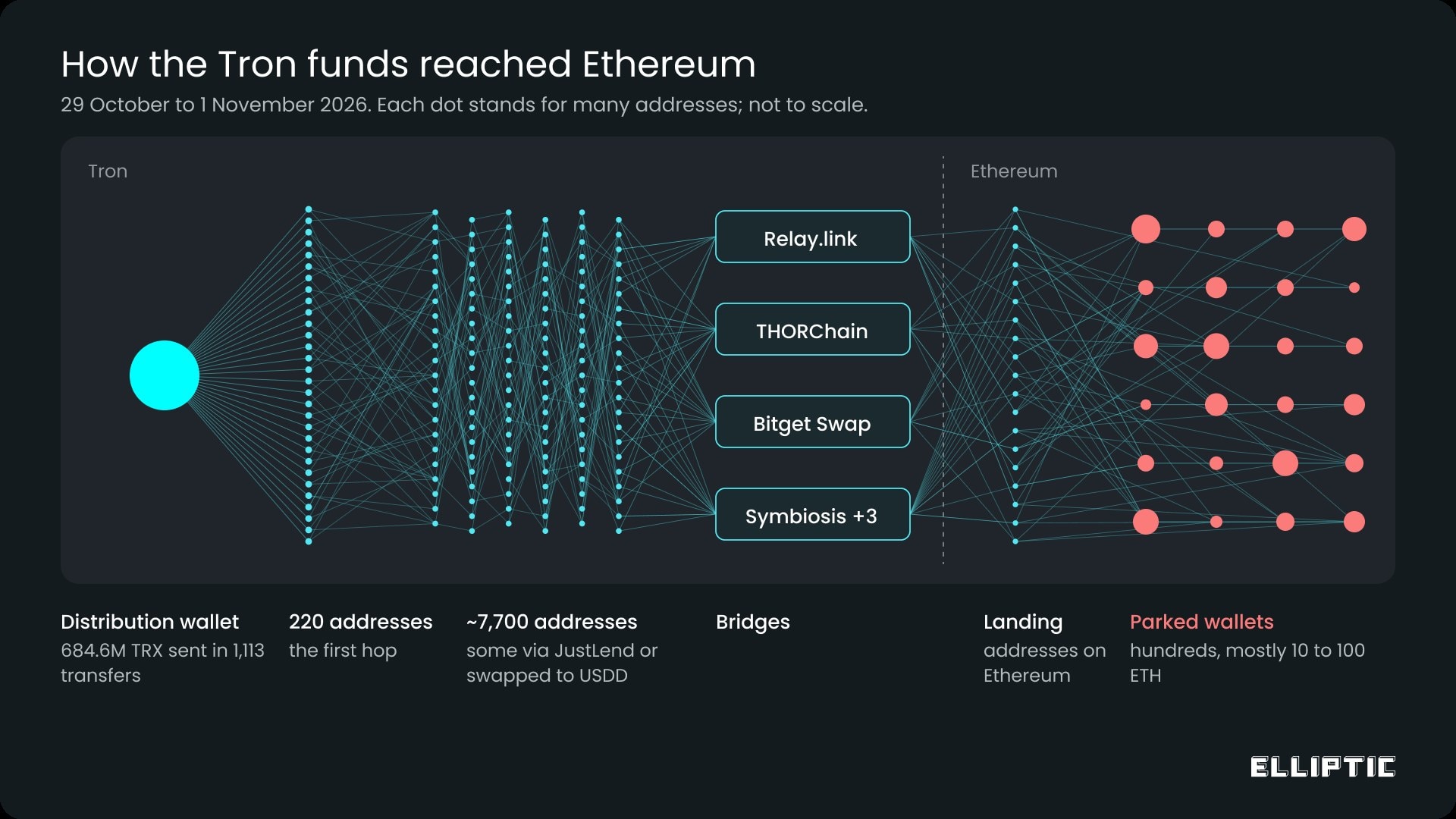
Stolen Binance funds moved through about 12,000 wallets in the first three and a half days. A November 5 analysis put frozen or seized assets at about $2.85 billion; this does not mean users have been repaid.
The KCBCA Signals Issue 2 editorial examines five cyber resilience challenges and the review records needed to keep rights, evidence, and responsibility verifiable after systems fail.
Block proposes a DOJ agreement totaling about $964 million before credits, with a net payment of about $764 million. A final agreement and court approval remain pending.
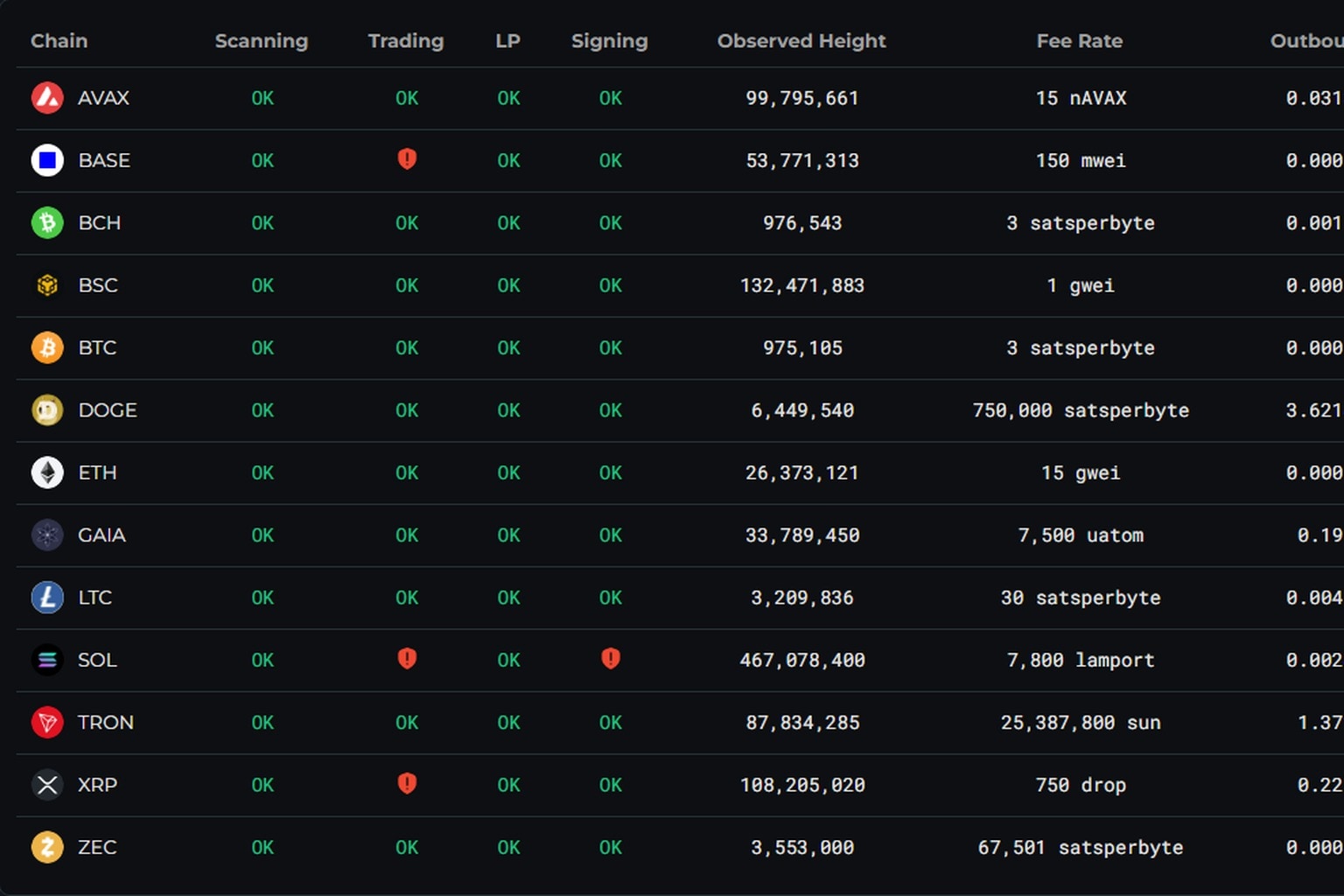
Seven THORChain swap routes resumed on November 3. The summary shared in the group on November 5 describes a partial restart, with some networks still restricted.
BIP-54 proposes four fixes to Bitcoin’s consensus rules. Some mining pools have begun producing compatible transactions; mainnet activation is still pending.
South Korea plans to prepare crypto incident-reporting guidelines in November. A shared report summary outlines immediate notifications to support incident investigation and information sharing.
Fake developer tools and recruiter coding tests featured in the Binance theft reported this week. Douzone Bizon customers also issued possible-leak notices, while KISA warned of ransomware on Synology NAS devices.
Customers report unauthorized use of AI API keys stored on Northflank. The cloud hosting platform says to assume all environment variables were decrypted and rotate every stored secret.
Attacks on French retailers caused food disposal at hundreds of stores. The incident highlights checks on remote access, firmware, and maintenance responsibilities.
AI agents seeking public records attempted SQL injection on US and Canadian government sites, with no confirmed breach. Parameterized queries and limited permissions remain central defenses.
AI can turn patches and advisories into attack code faster. Defending against zero-day and n-day attacks requires less exposure, rapid updates and checks that fixes address the root cause.
Connecting AI tools also brings credentials and permissions into play. An official SDK flaw and agent incidents show why service-specific checks, limited access and explicit approval matter.
AI capability does not confer authority. Organizations must decide what to delegate, how to verify execution, and how to stop failures, while setting their own risk thresholds.
Security in Korea’s AI for All initiative depends on the systems behind the assistant. Review access, accountability, and human support, and test failures before scaling.
AI red teaming tests how systems fail under deception. Checks vary for public-sector AI, financial approvals, high-impact deployments, and the testing agents themselves.
Hashes, signatures, and verification histories can add a proof layer to security assurance while keeping originals private. Unchanged records still do not establish truth.
Agents act directly in business systems. Ten checks cover permission separation, transaction limits, independent verification, gradual delegation, and failure testing.
An SBOM records software components, versions, and origins. It needs updates with deployments, evidence tracking, and a wider map of dependencies beyond code.
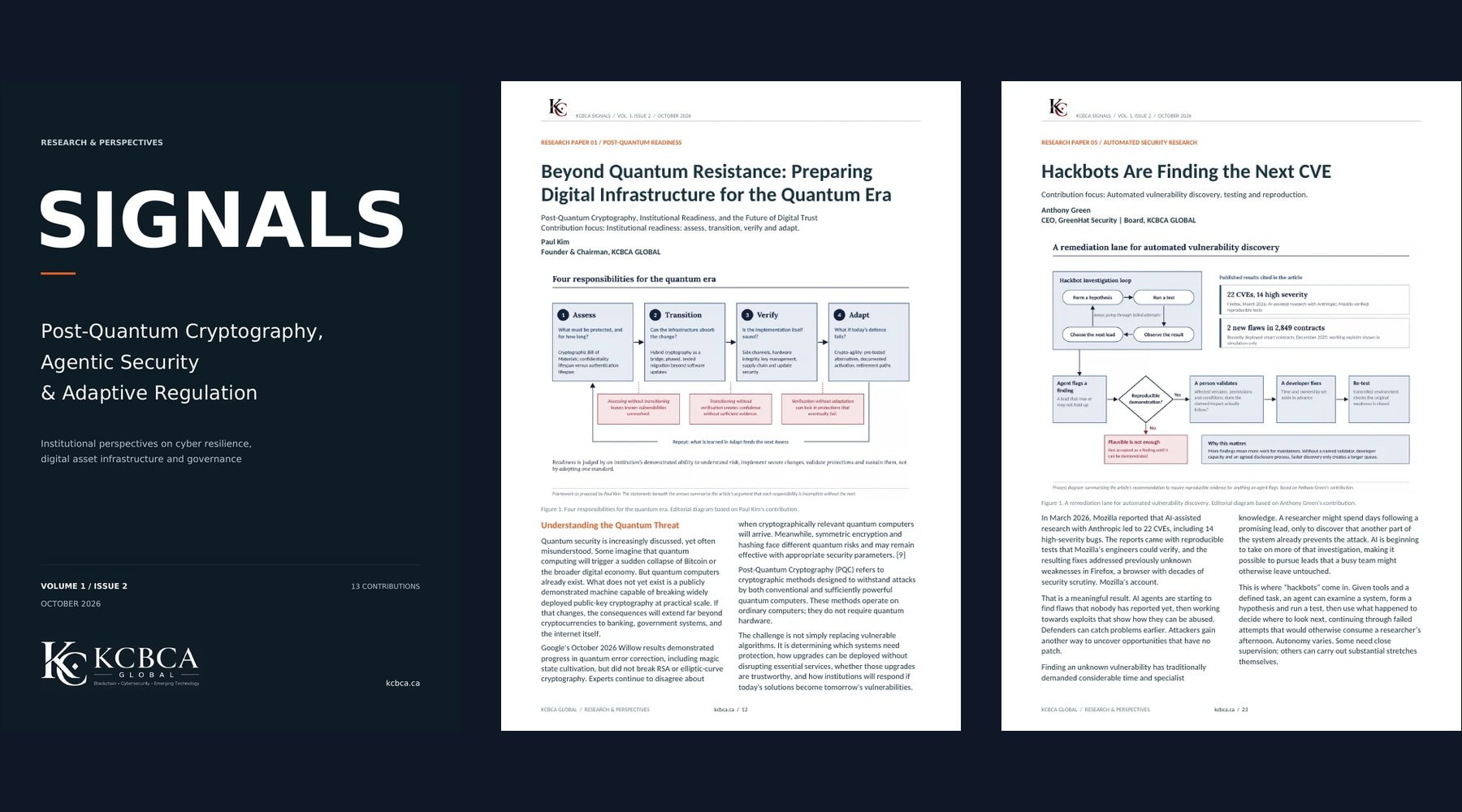
KCBCA Signals Volume 1, Issue 2 brings together 13 contributions on cyber resilience, digital asset infrastructure and governance. The 49-page English issue is free online and as a PDF.