
InfoExplainers
French refrigeration attacks and remote access checks
Attacks on French retailers caused food disposal at hundreds of stores. The incident highlights checks on remote access, firmware, and maintenance responsibilities.

Plain-language explainers on digital assets, blockchain and cybersecurity.
Attacks on French retailers caused food disposal at hundreds of stores. The incident highlights checks on remote access, firmware, and maintenance responsibilities.

AI agents seeking public records attempted SQL injection on US and Canadian government sites, with no confirmed breach. Parameterized queries and limited permissions remain central defenses.

AI can turn patches and advisories into attack code faster. Defending against zero-day and n-day attacks requires less exposure, rapid updates and checks that fixes address the root cause.
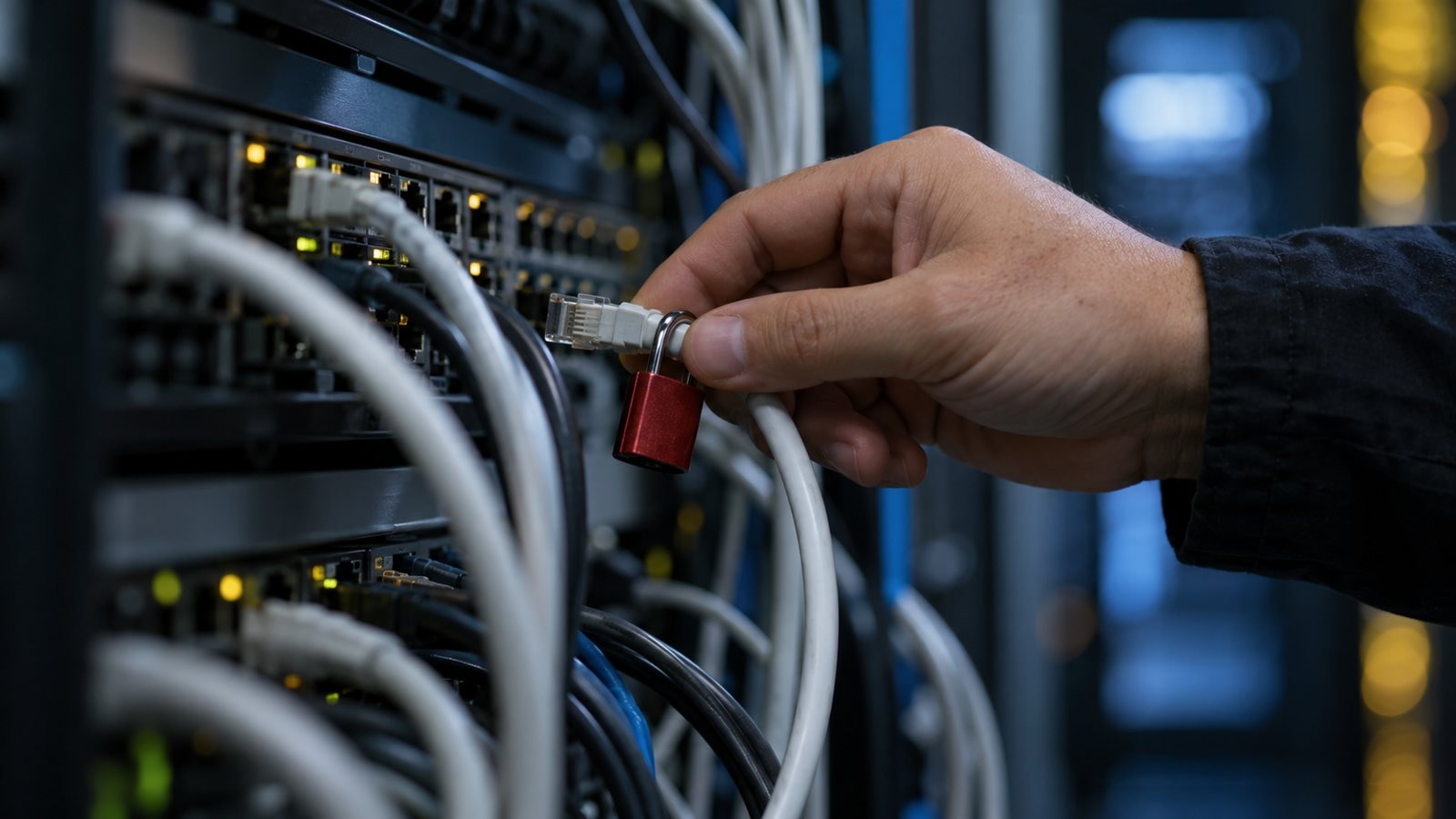
Connecting AI tools also brings credentials and permissions into play. An official SDK flaw and agent incidents show why service-specific checks, limited access and explicit approval matter.

Hijacked official accounts and legitimate domains can lead to phishing sites. Check the address, certificate, request and route before logging in or approving a wallet action.
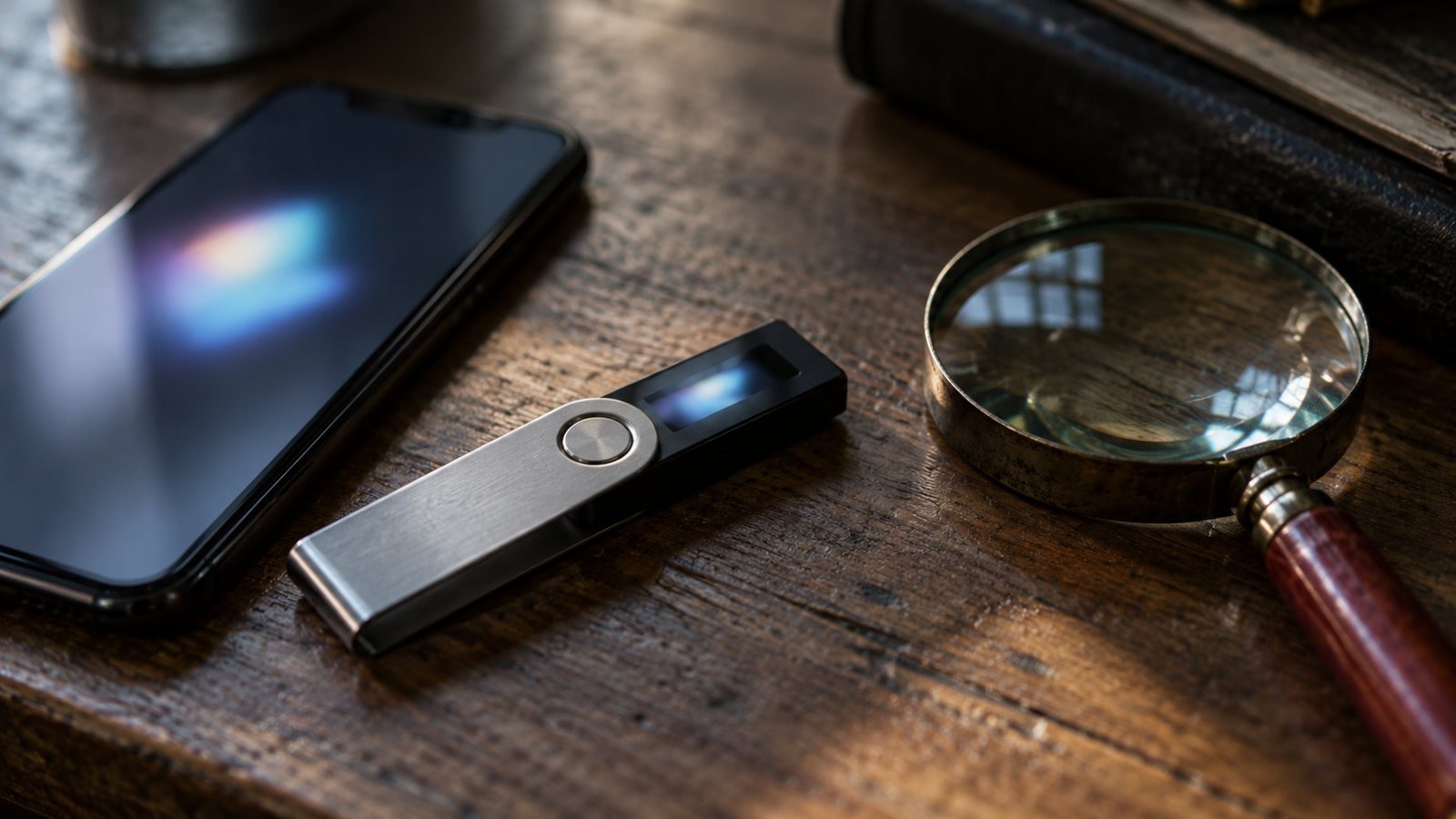
Cold wallets reduce online key theft, but cannot prevent harmful approvals or device flaws. Read permissions before signing, verify requests independently, and review firmware and devices.

Credential stuffing reuses leaked login details across services. With bank breach causes still under investigation, users need unique passwords and organizations need API authorization checks.